





Drinking Water Inspectorate DWI
The Drinking Water Inspectorate (DWI) is part of the Department for Environment, Food and Rural Affairs (Defra). It was formed in 1990 to provide independent assurance that water supplies in England and Wales are safe and that drinking water quality is acceptable to consumers.
DWI is authorised to enforce measures if standards are not being met. It can also take appropriate action when water is deemed unfit for human consumption.
Additional areas of responsibility include:
- Providing a technical audit of water companies operating practices.
- Assessing water company sampling programmes and results.
- Assessing incidents that could affect drinking water quality or sufficiency.
- Handling enquiries from the public.
- Investigating consumer complaints about drinking water quality.
- Managing water company programmes for improving drinking water quality (including the DWI’s input into the Ofwat periodic review of water prices).
- Managing the DWI’s scientific evidence and Defra’s water quality and health research programme.
- Managing product approvals.
- Managing industry data.
- Overseeing Local Authority enforcement of regulations for private water supplies.
[edit] Related articles on Designing Buildings
- BS 8680:2020 Water quality. Water Safety Plans. Code of practice.
- Consumer Council for Water CCWater.
- Do our water quality standards demonstrate to the public that their water supply is clean?
- Drinking water quality.
- Drinking Water Quality Regulator for Scotland DWQR.
- Environment Agency.
- Incumbent water company v undertaker.
- Ofwat.
- Water safety plan WSP.
Featured articles
Check out some of the best features and news from Designing Buildings as well as key stories from around the web.

New Prime Minister delivers on ECA call for cut in electricity costs.

CIOB reacts to the announcement of Andy Burnham as Prime Minister.

Heritage and conservation science workforce survey - Have your say.

England's Suburbs 1820-2020. Book review.

New, more proportionate and targeted approach for higher-risk building assessments.
Government brings British Steel into public ownership.

UKCW Birmingham returns with bold new theme and focus.

New guidance published on competence requirements for self-certification schemes.
Construction Management, 8 July

NEETs crisis drives interest in trades, but apprenticeships barriers remain.
Passive fire protection webinar
MEP services penetration seals.

Where its at podcast (and video) - The role of the Architectural Technologist as an Expert Witness.
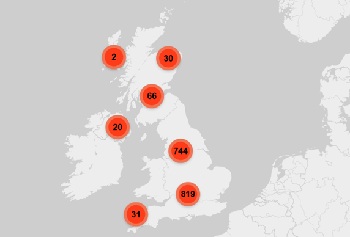
More than 200 remarkable buildings added to SAVE’s Buildings at Risk register.